
Can geisha get married? Do they ever retire? And what happens when they decide to leave the profession?
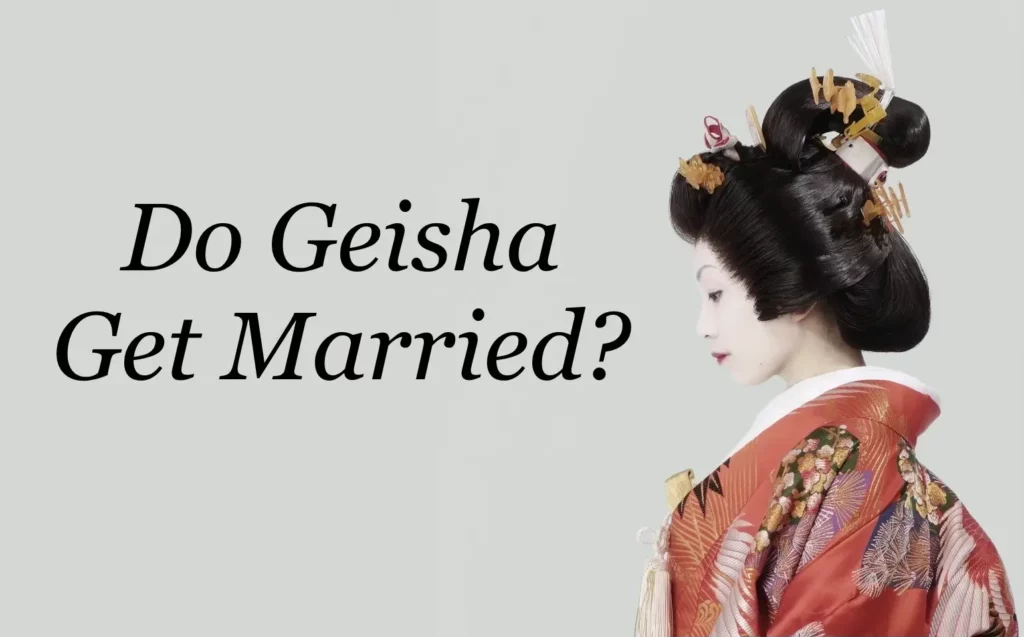
These are questions that many international visitors to Kyoto may have wondered about.
Behind the elegant kimono, beautiful performances and centuries-old traditions lies something equally fascinating: the lives of the women who have dedicated themselves to this extraordinary profession.
Let’s take a closer look at a side of geisha culture that visitors rarely get to hear about.
Do Geisha Ever Retire?
In Japan, many companies have a mandatory retirement age. When employees reach a certain age, they leave their jobs and begin a new chapter in life.
But what about geisha?
Interestingly, there is no fixed retirement age for geisha.
Becoming a geisha, known as geiko in Kyoto, requires years of dedicated training. They study traditional Japanese arts such as shamisen music, dance and other classical disciplines, alongside the graceful etiquette and hospitality for which they are renowned.
These are skills that take a lifetime to refine.
As geiko grow older, their experience, artistry and understanding of human relationships can become some of their greatest strengths.
This is why the geiko world is not simply a profession for young women. Some continue performing well into their later years, their experience making them all the more accomplished and respected.
In a world that often places so much value on youth, there is something rather beautiful about a profession in which age and experience can be celebrated.
Can Geiko Fall in Love and Get Married?
Once a woman becomes a fully qualified geiko, she generally has the freedom to pursue romantic relationships.
Marriage, however, is another matter.
In Kyoto’s traditional geiko communities, marriage has long been associated with retirement from the profession.
This is a cultural custom rather than a Japanese law, and traditions may differ in other geisha districts.
In modern Japan, where it is increasingly normal for women to balance marriage, family and professional careers, this custom may seem rather surprising.
But consider the daily life of a geiko.
Her days are often filled with lessons and practice, while her evenings are devoted to entertaining guests at private gatherings known as ozashiki.
With such a demanding schedule, finding time for a personal life, let alone balancing a family and career, can be challenging.
Of course, every woman’s circumstances and choices are different.
Some geiko eventually choose marriage and a new life outside the profession. Others find such fulfilment in their work that they choose to continue their careers rather than marry.
For these women, being a geiko is much more than simply having a job.
It is a lifelong passion, a source of pride and, in many ways, a way of life.
Life After Geiko: A Second Career
So what happens when a geiko decides to retire?
Leaving the profession does not necessarily mean leaving behind the skills, relationships and experiences she has spent years developing.
Some go on to become kimono-dressing instructors or teachers of traditional Japanese performing arts, passing their knowledge and expertise on to the next generation.
Others choose entirely different paths.
Having grown up in Kyoto, I have had opportunities to meet people whose lives offer fascinating glimpses into this traditional world.
One woman I met was a former geiko who had gone on to run an exclusive club in Gion, welcoming VIP guests.
I still remember how beautifully she carried herself. Every movement seemed effortlessly graceful, and she had a remarkable ability to engage people in conversation.
Many of her customers appeared to be people who had known her since her days as a geiko.
What struck me was that although she had left the profession, the qualities she had developed throughout her career remained very much a part of who she was.
Her elegance, conversation skills and ability to make others feel welcome had found a new home.
Of course, some former geiko marry, raise families or pursue completely different ambitions.
But from what I have observed, there are also women who continue to find fulfilment in work that allows them to connect with people and make use of the unique skills they have acquired.
Perhaps retirement from the geiko world is not always the end of a story, but simply the beginning of another chapter.
Discovering the Women Behind Kyoto’s Traditions
When visitors walk through Gion, they are often captivated by the beautiful kimono and graceful appearance of geiko and maiko.
But there is so much more to their world than what we see on the streets.
Behind that beauty are years of training, personal sacrifices, meaningful relationships and individual decisions about how to live their lives.
Understanding even a little of these stories may change the way you see them.
The next time you visit Gion, perhaps you will find yourself looking beyond the beautiful kimono and appreciating the dedication, individuality and remarkable lives of the women who keep Kyoto’s traditions alive.
If you have the opportunity, I warmly encourage you to explore Gion for yourself.
Here, in the heart of Kyoto, tradition and modern life exist side by side, creating a world that is as fascinating as it is beautiful.
Wo.oW Travel
Gion Geisha District Walking Tour
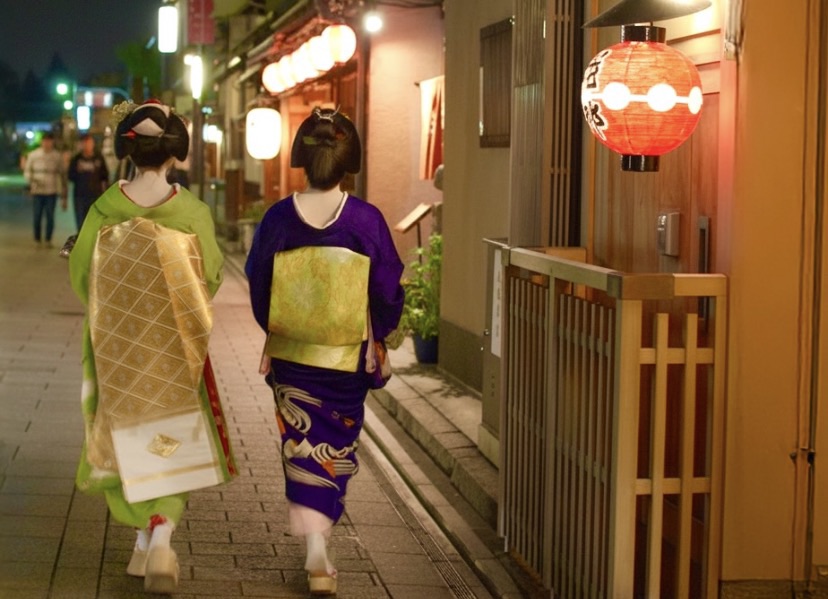
What Makes an Authentic Geisha District Walking Tour? A Kyoto Local’s Perspective.
What Makes an Authentic Geisha District Walking Tour? A Kyoto Local’s Perspective. Having welcomed over 20,000 international guests, there’s[…]
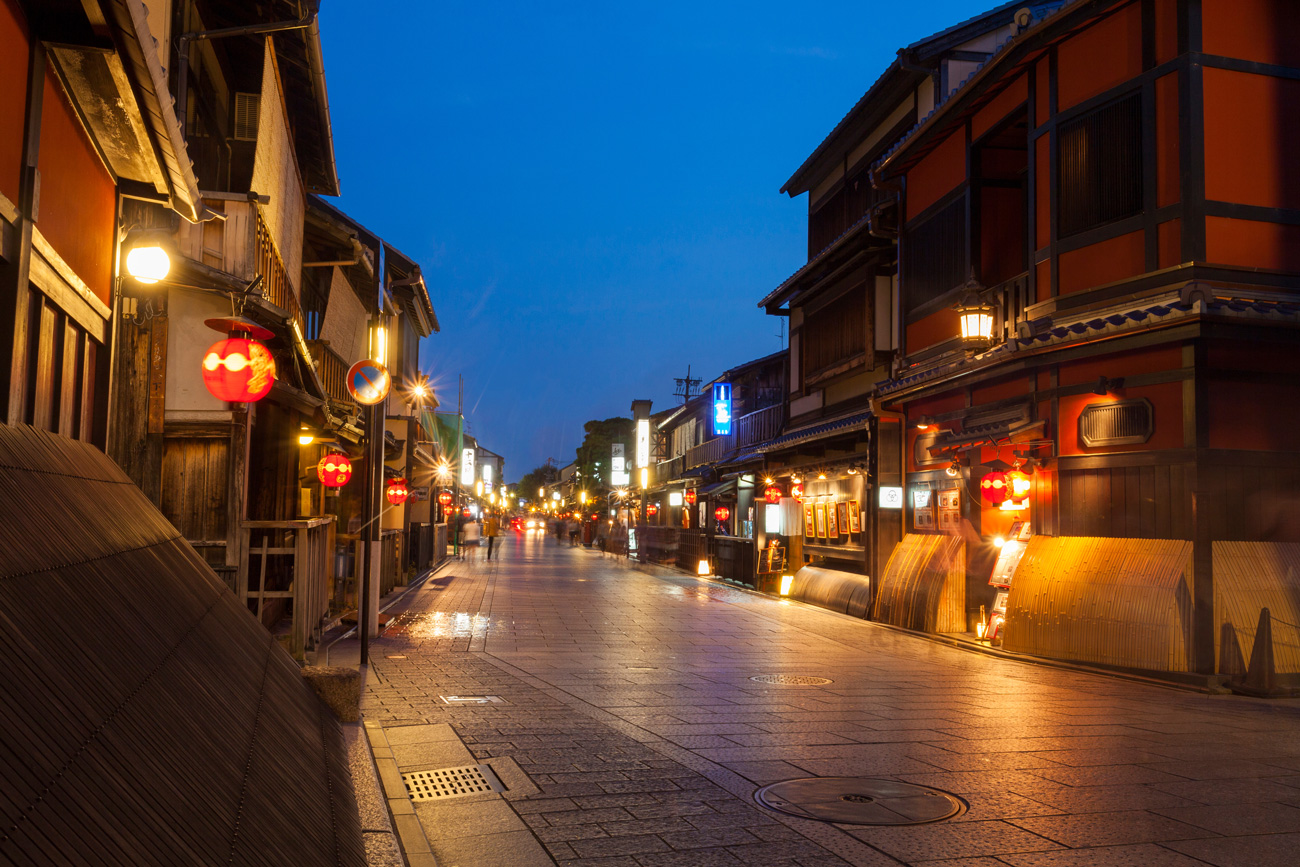
Is Gion Worth Visiting, or Is It a Tourist Trap? A Kyoto Local’s Perspective
Born and raised in Kyoto, I’d like to share my personal perspective on Gion, one of the city’s most[…]
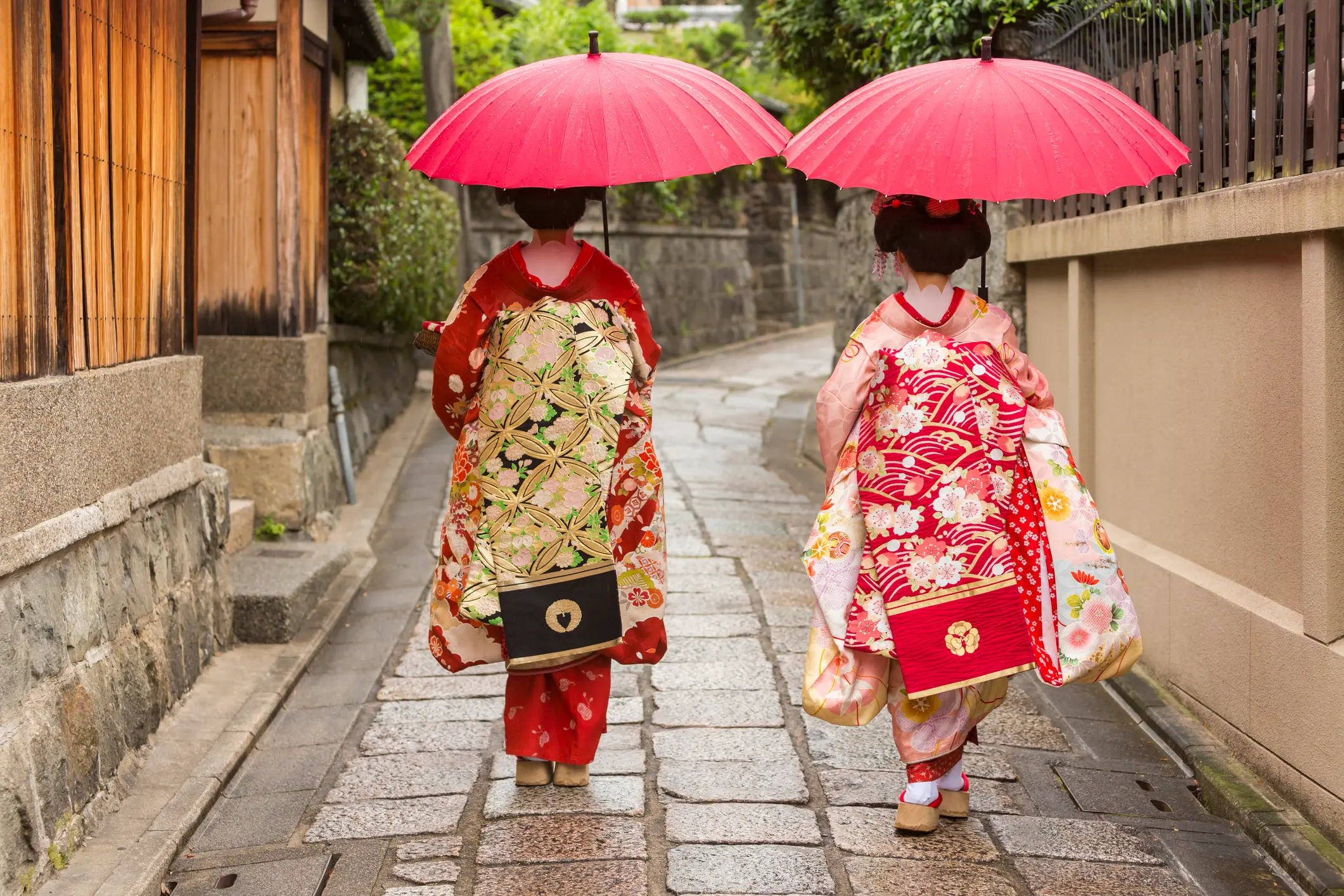
Where Is Kyoto’s Geisha District? Can Tourists Visit Gion?
Kyoto’s most famous geisha district is Gion, particularly the historic Hanamikoji Street, known for its traditional teahouses and beautiful[…]

Comments are closed